



Mistakes to Avoid When Choosing Plywood for Furniture
Plywood is increasingly used in interior design due to its good load-bearing capacity, resistance to warping, and long lifespan. However, not all projects using plywood achieve the desired results. In fact, many problems arise during use stemming from choosing the wrong material from the outset.
Through this article, let's explore with Moc Phat the mistakes to avoid when choosing plywood for interior design, helping homeowners optimize their budget, increase durability, and ensure long-term quality for their projects.
Why is it important to choose the right plywood for your furniture?
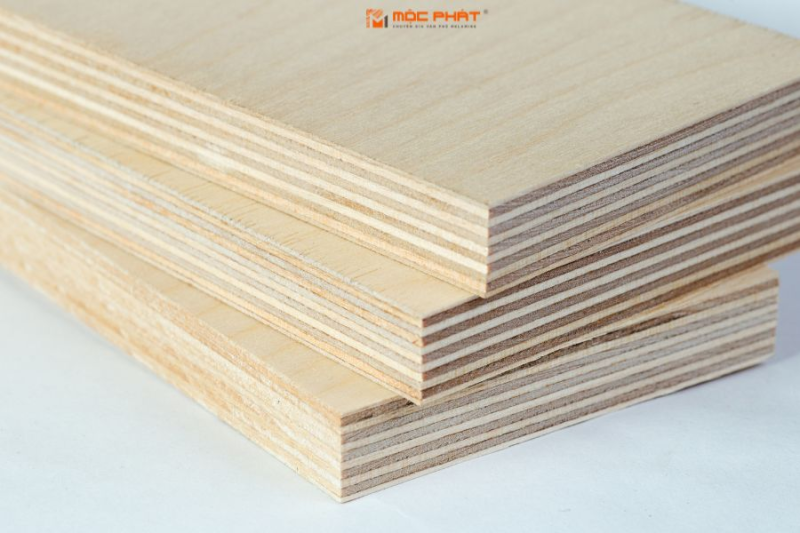
Plywood is made from multiple layers of natural wood veneer pressed together under high temperature and pressure. This structure gives the material better strength than many common types of engineered wood.
However, the market currently offers many types of plywood with varying quality. The differences stem from the raw materials, the quality of the adhesive, the number of veneer layers, and the manufacturing process.
If the wrong choice is made, the furniture may experience problems such as warping, delamination, reduced lifespan, or unnecessary increased investment costs.
Only Concerned About Price
One of the most common mistakes is choosing materials based solely on price.
Many people assume all plywood is the same, prioritizing the cheapest option to save money. However, price often reflects the quality of the raw materials and manufacturing process. Cheap plywood may use uneven veneer or low-quality adhesive. After a period of use, the product is prone to splitting, slight warping, or reduced load-bearing capacity.
Instead of just comparing prices, users should evaluate the overall quality of the plywood to ensure long-term effectiveness.
No Quality Check of Bonding Adhesive
When it comes to plywood, many people focus only on the outer surface, forgetting that the adhesive between the wood layers is a crucial factor determining the product's durability.
If the adhesive is of poor quality, the wood layers can separate when exposed to humidity or constantly changing temperatures, affecting the lifespan of the furniture.
Besides bond strength, the quality of the adhesive is also directly related to the concentration of formaldehyde emissions in the living space. This factor affects indoor air quality and is becoming increasingly important for consumers when choosing interior materials.
Users should prioritize products that meet E0 or E1 emission standards to ensure safety during long-term use. Currently, Moc Phat strictly controls the emission concentration of each plywood sheet before it is released to the market to meet health and construction quality requirements.
Choosing the Wrong Type of Board for Each Area
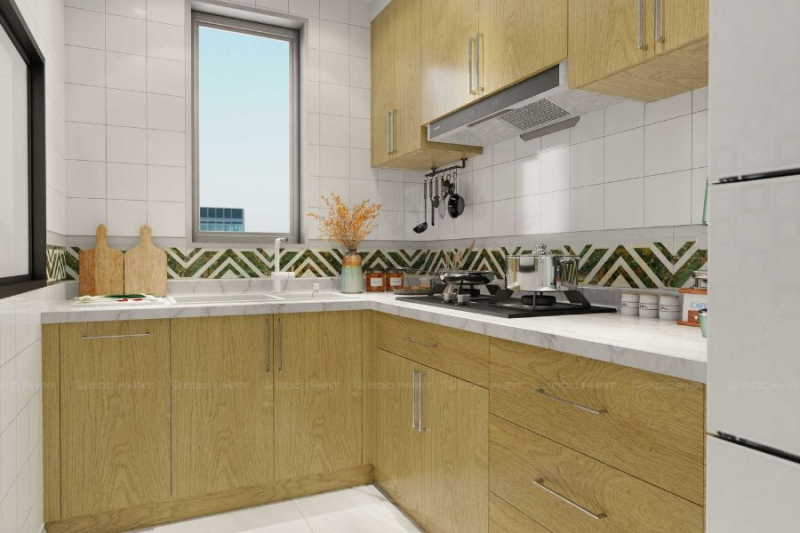
Each interior space has different usage requirements. Therefore, choosing the right material for each item plays a crucial role in optimizing investment costs as well as the durability of the construction.
Many people tend to use plywood entirely for all areas in the house. However, this is not necessarily the most budget-friendly option. For areas frequently exposed to moisture, such as lower kitchen cabinets or the bathroom area, plywood is often a suitable choice due to its better stability in humid environments.
Meanwhile, items such as wardrobe doors, decorative partitions, bedroom cabinets, or TV stands can be made of melamine-coated MDF or acrylic-coated MDF to optimize costs while still ensuring aesthetics.
Currently, many construction companies choose to combine plywood for cabinet frames and MDF doors with decorative surface finishes. This approach balances durability, functionality, and investment efficiency.
Ignoring Surface Finish Quality
Besides the wood core, the outer coating also greatly affects durability and daily use.
Currently, laminate-coated plywood and melamine-coated plywood are two popular solutions used in modern interior design. Melamine-coated plywood is chosen by many families due to its diverse designs, reasonable cost, and suitability for various design styles.
Meanwhile, laminate-coated plywood stands out with its scratch resistance, impact resistance, and higher surface durability. This is a suitable choice for high-traffic areas such as kitchen cabinets or commercial furniture. If the coating is not suitable for the actual needs, the interior surface can quickly deteriorate and reduce the aesthetic value of the entire project.
Disregarding Board Quality Standards

Many people judge materials based on color or visual appearance, overlooking important technical specifications.
A quality plywood panel needs to ensure uniformity between veneer layers, strong bonding, and no internal voids. Furthermore, the source of raw materials and the manufacturing process directly affect the product's stability during use. Choosing standard-compliant materials helps minimize risks and extend the lifespan of the entire interior system.
Do not verify product origin.
Origin is a crucial but often overlooked factor when choosing materials. Products of unknown origin often lack information about quality, emission standards, or testing procedures. This makes it difficult for users to assess the actual safety and durability of the product.
Choosing a supplier that is transparent about technical specifications and board quality will help minimize risks during long-term use.
Conclude
Plywood is a material with many advantages in terms of durability, load-bearing capacity, and applicability in modern interior design. However, choosing the wrong material or ignoring important technical criteria can reduce investment efficiency and the lifespan of the project.
Understanding the mistakes to avoid when choosing plywood for interior design will help users make more informed decisions and optimize project quality right from the material selection stage.
Related news