


What is Formaldehyde? Harmful Effects and Safety Standards in the Wood Industry
In the modern furniture industry, formaldehyde is one of the top concerns for consumers. This compound is commonly found in industrial adhesives and can directly affect indoor air quality. So, what is formaldehyde, where is it found, and how can you choose materials that are safe for your health? Let's explore this further with Moc Phat in this article!
What is Formaldehyde?
 Formaldehyde is a colorless, pungent-smelling chemical compound. It is widely used in many industries due to its ability to bind and preserve materials.
In the wood processing industry, formaldehyde is often found in adhesives used to bond wood fibers or wood chips together.
Some common materials that may contain formaldehyde include:
- MDF boards
- MFC boards
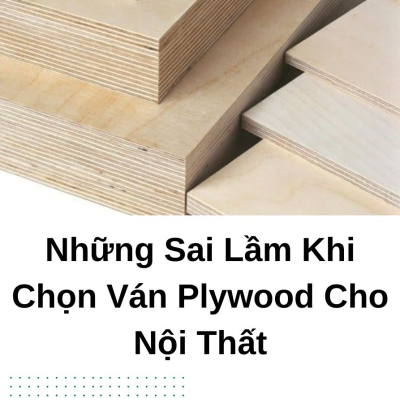
- Plywood boards
- Industrial adhesives
- Surface coatings
However, the important thing is not whether or not it is present, but rather the level of its emission during use.
Why is formaldehyde used in engineered wood products?
In furniture manufacturing, formaldehyde-containing adhesives help increase bonding strength and structural stability of materials.
As a result, the boards have:
- Better rigidity
- Reduced warping
- Increased load-bearing capacity
- Stability during use
This is why formaldehyde is still widely used in the wood industry today.
However, if emission levels are not properly controlled, this compound can affect air quality in enclosed spaces.
How Does Formaldehyde Affect Health?
Affects the respiratory system.
When present in high concentrations, formaldehyde can cause irritation to the nose, throat, eyes, and respiratory tract.
Some sensitive individuals may experience discomfort with prolonged exposure.
Impact on living space
In modern apartments with frequent air conditioning use, air circulation is often more limited.
If high-emission materials are used, formaldehyde can accumulate in enclosed spaces and reduce the quality of the living environment.
This is why emission standards are becoming increasingly stringent in the furniture industry.
Formaldehyde Standards in Engineered Wood
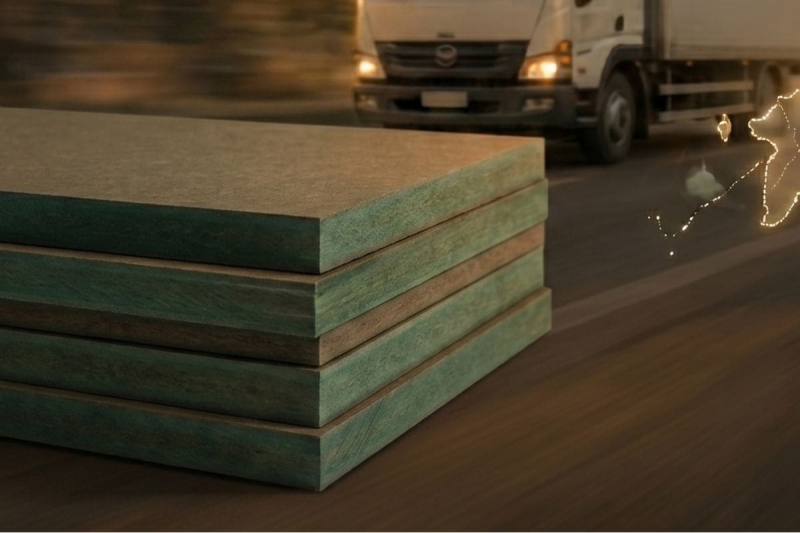
E2 standard
This is the baseline emission level with a higher formaldehyde content than modern standards. Currently, this standard is less preferred in high-quality construction projects.
E1 standard
The E1 standard is common in the modern furniture industry. Products that meet this standard help control emissions at a safer level for users.
Many engineered wood products today are moving towards the E1 standard to meet consumer needs.
E0 and Super E0 standards
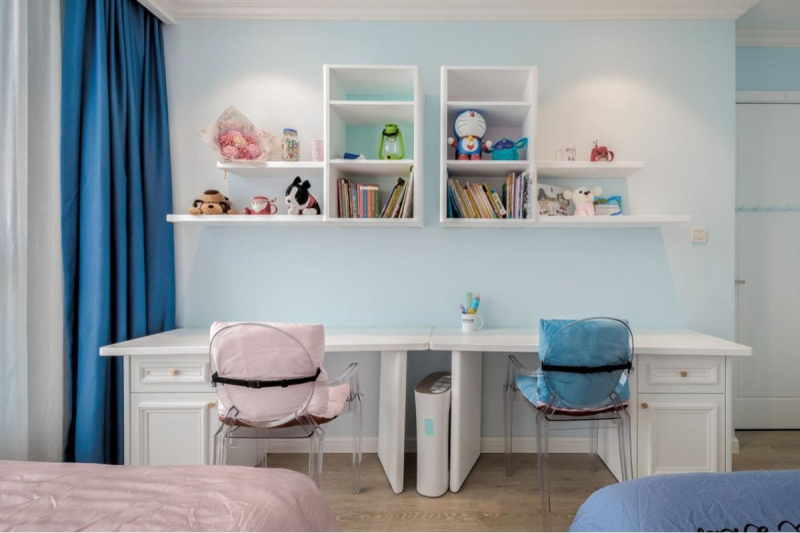
This is a group of materials with very low emissions, considered suitable for:
- Bedrooms
- Children's rooms
- Schools
- Enclosed spaces
E0 or Super E0 certified boards are often used in constructions that prioritize health and air quality.
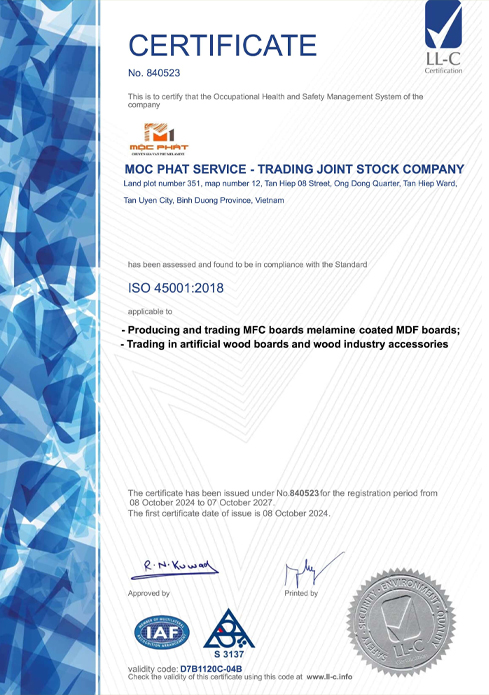
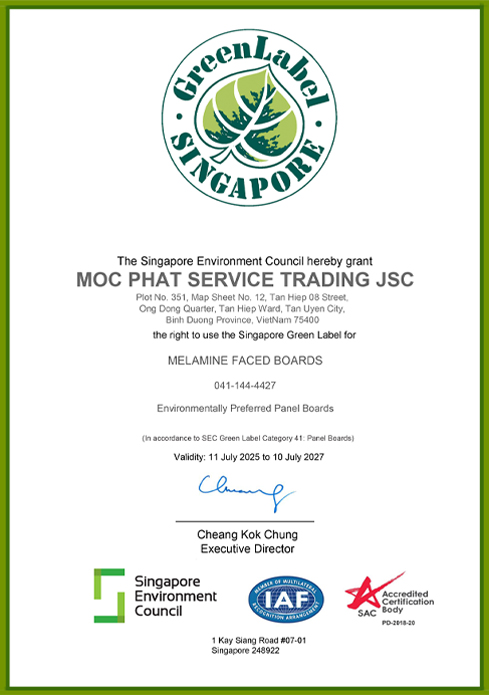
At Moc Phat, we always focus on the quality of each board and prioritize the health and safety of Vietnamese consumers as well as the export market. Therefore, all information regarding origin, technical standards, and product quality is clearly and transparently displayed through the MO code printed directly on each board. Customers can easily look up product information, quality standards, and origin quickly and accurately.
Which types of wood panels are good at controlling formaldehyde?
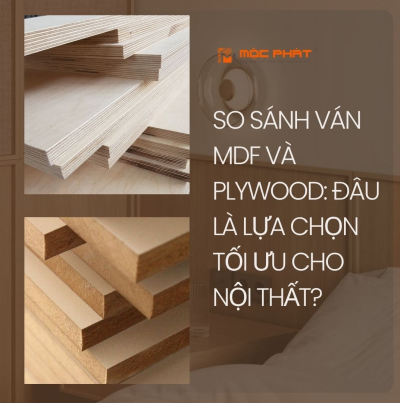
Melamine-coated MDF board
Modern MDF boards are often improved in terms of adhesive quality and pressing processes to reduce emissions.
In addition, the melamine coating helps to limit emissions from the core board into the environment, while also increasing the surface's protection against moisture, scratches, and other impacts during daily use.
Plywood board

Plywood is made from multiple layers of thinly sliced natural wood pressed together along the grain. This structure gives the material high stability, reduces warping, and increases its load-bearing capacity during use.
However, the emission levels of plywood depend heavily on the type of glue used in the manufacturing process. Using low-quality or substandard glue can generate emissions that negatively impact the environment. Therefore, users should prioritize plywood from reputable sources that meet safety standards regarding formaldehyde emissions.
MFC board meets E0 standard.
Many MFC boards are now manufactured to low-emission standards to meet the trend of safer and more health-friendly interior design. This is also why this material is increasingly widely used in apartments, offices, and modern living spaces.
In particular, products meeting the Super E0 standard are becoming a preferred choice for many customers due to their ability to control formaldehyde emissions at very low levels. When combined with a melamine-coated surface, the material not only ensures aesthetics but also contributes to improving air quality in enclosed interior spaces.
How to Identify Safe Engineered Wood
To select the right material, users should pay attention to:
- Emission standard certifications
- Clear origin information
- Reputable suppliers
- Checking product traceability codes
- Material quality certifications
In addition, products with clear quality standards are usually transparent about:
- Emission concentration
- Material composition
Low-Emission Interior Design Trends
In recent years, the furniture market has been shifting strongly towards materials that are:
- Safer
- More environmentally friendly
- Better emission control
Modern consumers are no longer just concerned with color or style, but also with air quality in their living spaces.
That's why the following types of boards:
- E1 standard boards
- E0 boards
Super E0 boards, are becoming increasingly popular in modern interior design projects.
Can Formaldehyde Be Completely Eliminated?
In reality, it is very difficult to completely eliminate formaldehyde from the wood industry because it is a common component in many types of adhesives used to bond materials. However, the important thing now is not to eliminate it completely, but to control emissions within safe limits for users.
This depends on many factors such as:
- The quality of the adhesive used
- The pressing and material processing technology
- Production standards
- Emission testing procedures
- The manufacturer's ability to control output quality
Therefore, users should prioritize wood products that meet E1, E0, or Super E0 standards to ensure a safe and stable living environment in the long term.
Conclude
Formaldehyde is a common compound in the wood industry and plays a crucial role in the bonding of materials used in furniture production. However, users need to be concerned not only about the presence of this compound but also about the ability to control its emissions during actual use.
Currently, materials meeting E1, E0, or Super E0 standards are becoming a trend due to their ability to reduce emissions and improve air quality in living spaces. This is also an important factor in making modern furniture safer, more sustainable, and more suitable for long-term use.
Understanding what formaldehyde is, its emission standards, and how to choose suitable materials will help users be more proactive in interior design and construction, as well as protect the health of their entire family.
Related news